











CASE STUDY
IKEA New Zealand
As IKEA prepared to launch its flagship Sylvia Park store, the design team faced a complex brief: deliver the signature IKEA experience, safeguard product quality, and meet ambitious energy-performance targets in a building defined by tall ceilings, long sightlines, and dense merchandising. To verify comfort and efficiency before construction, IKEA engaged Holyoake to complete early-stage CFD modelling (made possible with Predict by Price) of the minimal-duct HVAC strategy.


Unique Design Considerations/Challenges
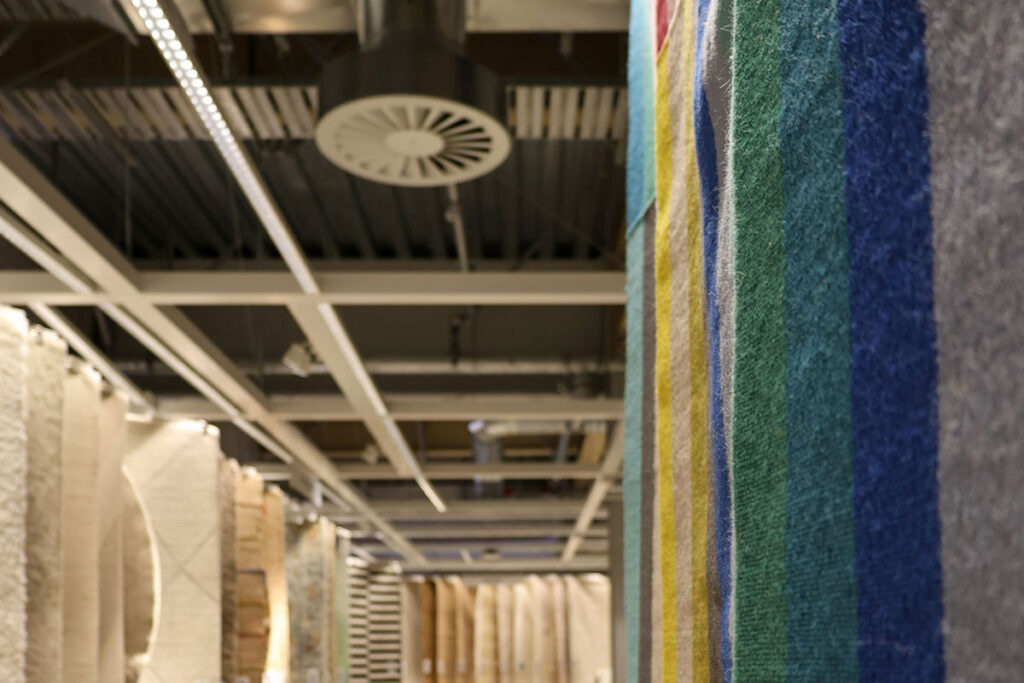
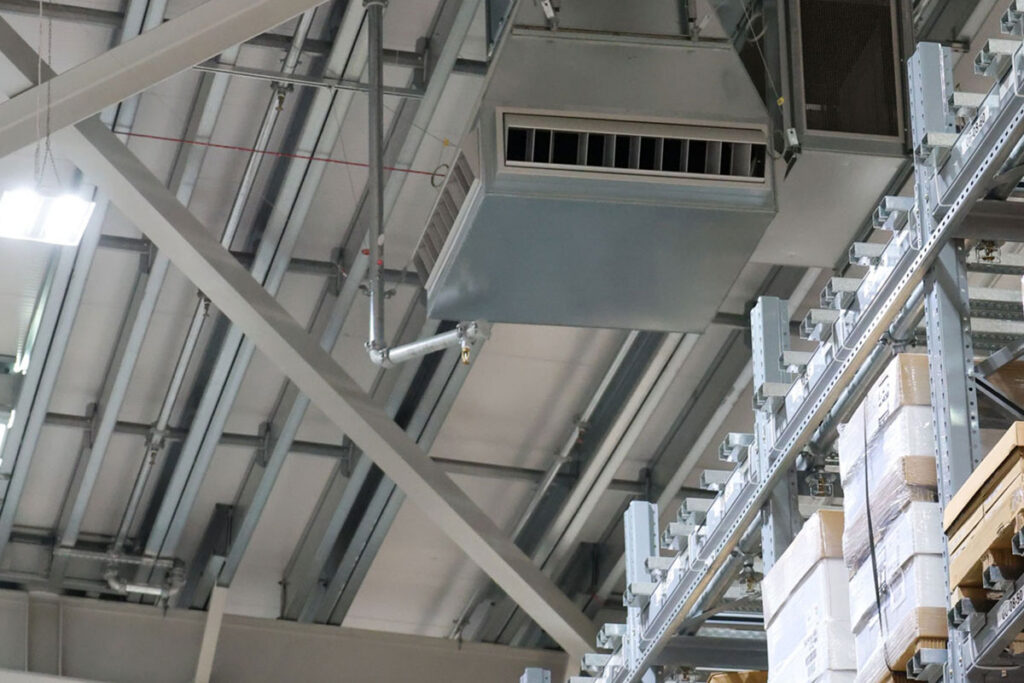
The store’s vast interior presented air distribution risks that standard design methods could not fully address. Tall spaces created conditions where warm air could stratify well above occupied zone, while extensive product racking risked disrupting airflow at display height. Because the HVAC system relied heavily on diffuser-driven air distribution, diffuser placement and performance needed to be validated precisely. The team also wanted to understand how the design would perform in both current and future climate scenarios to support long-term operational resilience.
Why Solving These Issues Mattered
Comfort directly influences customer experience, time spent in the store, and staff wellbeing. Uneven air distribution can compromise product integrity, especially in highly merchandised areas where temperature uniformity is essential. Effective air mixing also plays a critical role in minimizing HVAC runtimes and reducing operational costs. Entering a new national market with a flagship store, IKEA required high confidence that the design would meet these performance expectations before construction began.
How Holyoake by Price got involved
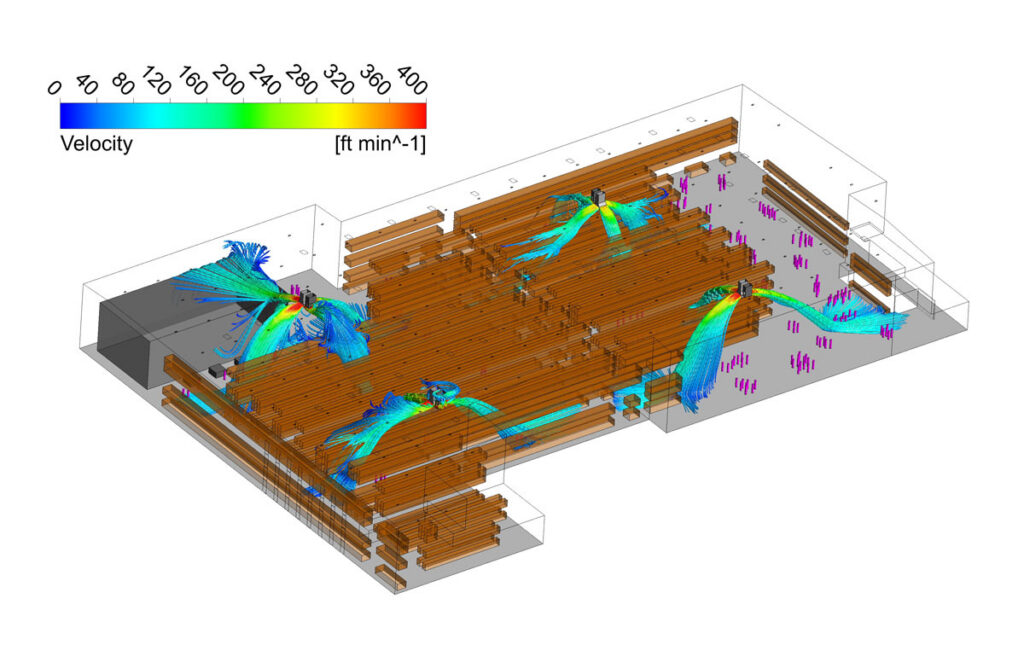
Conducting CFD early in design enabled low-cost refinements that would have been expensive to correct later. Simulations helped optimize diffuser orientation and spacing, improving thermal comfort without altering architectural constraints. The visual modelling supported rapid alignment between mechanical engineers, architects, and decision-makers, while confirming that the HVAC strategy would remain robust under future climate conditions.
The Solution
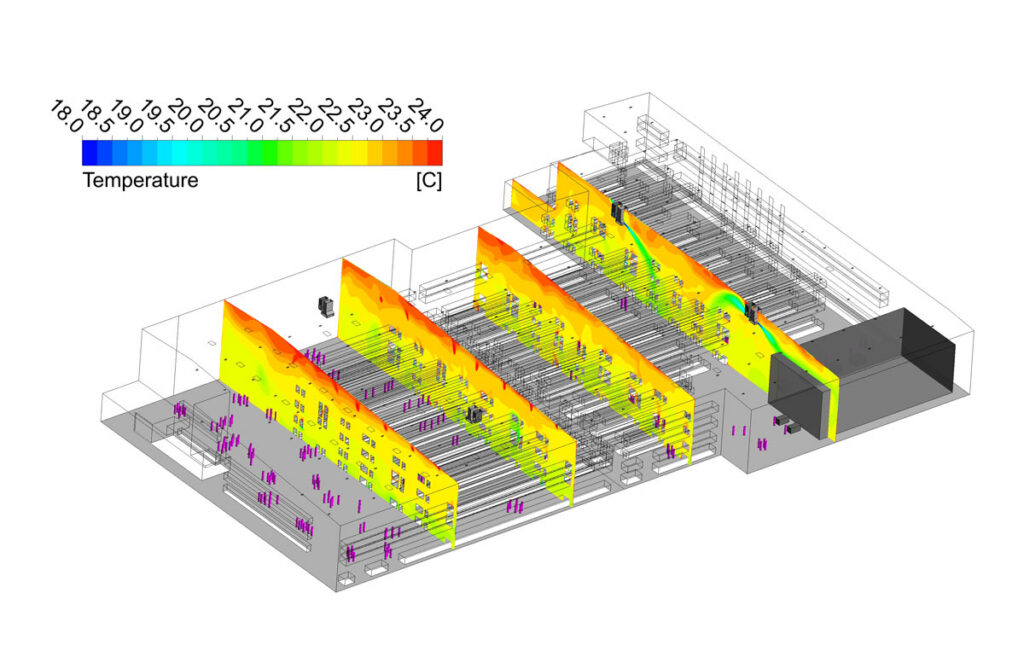
Holyoake delivered an independent CFD assessment across multiple seasonal and climate scenarios. The analysis evaluated airflow patterns, comfort criteria, indoor air quality, and temperature distribution across warehouse and retail floors. While the overall HVAC strategy performed well, Holyoake recommended targeted diffuser adjustments that enhanced comfort consistency and reduced the risk of stagnant zones.
Results
The modelling validated that the store would achieve consistent comfort across all key areas, support product protection through more uniform temperatures across the full ceiling height and reinforce the project’s energy-efficiency objectives. With performance confirmed under both present and future conditions, the project team gained the confidence needed to move forward. By investing in CFD early, IKEA protected both the customer experience and the long-term operational efficiency of its first New Zealand location.
Price Holyoake Products Used on This Project